A Jewish-Christian study of forgiveness, sacrifice, and atonement
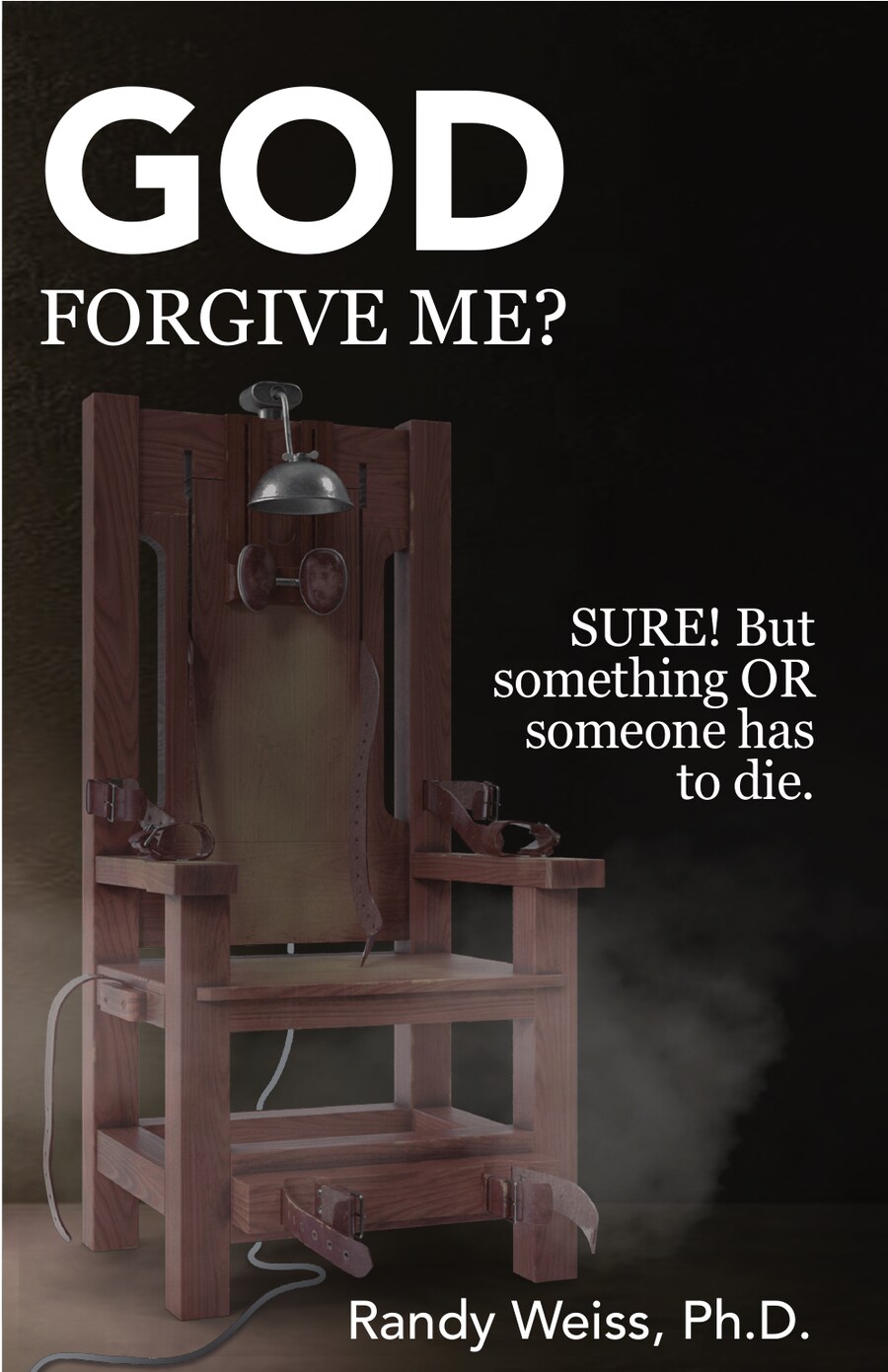
God, Forgive Me?
SURE! But something OR someone has to die.
Walk through the Jewish High Holy Days, the biblical sacrificial system, the Temple, repentance, and the question at the center of Dr. Randy Weiss’s book.
A teaching resource for readers who want to understand the Jewish roots of the Christian view of atonement.
Why this book was written
A serious question deserves more than a quick answer.
Explore the High Holy Days
Explore Rosh Hashanah, the Days of Awe, and Yom Kippur.
Choose a holiday to open a separate guide. Each page explains the celebration in plain language, shows why its symbols matter, and connects it to forgiveness, sacrifice, and atonement.
Rosh Hashanah
The call to wake up
The Jewish New Year, the Book of Life, remembrance, and the sounding of the shofar.Begins at sundown September 11; ends at nightfall September 13, 2026Explore Rosh Hashanah → TEN DAYSDays of Awe
Ten days to examine the heart
Reflection, repentance, reconciliation, and the movement from Rosh Hashanah to Yom Kippur.Ten days connecting Rosh Hashanah and Yom KippurExplore Days of Awe → ATONEMENTYom Kippur
The Day of Atonement
Fasting, confession, the High Priest, the two goats, sacrifice, and the search for forgiveness.Begins at sundown September 20; ends at nightfall September 21, 2026Explore Yom Kippur →The journey through the book
Eight moments that carry the book’s message.
Follow the book’s main message in eight clear movements. The numbered guide lets readers move directly to any section.
The Question
Forgiveness is not treated as a casual transaction.
The book begins by challenging the assumption that God must forgive simply because a person asks, or because good deeds outweigh bad ones. Dr. Weiss frames sin as guilt that requires atonement rather than self-improvement alone.
“Atonement is the answer to our problematic question of sin.”
God, Forgive Me?, p. 16
The Roots
Judaism is the womb of the Church.
Christian faith emerged from a Jewish world. Jesus, His earliest disciples, the Temple, the festivals, and the Hebrew Scriptures form the setting needed to understand the New Testament language of sacrifice and atonement.
Get to Know Randy Weiss“Judaism was the womb of the Church. Christianity developed in a very Jewish world.”
God, Forgive Me?, p. 20
Days of Awe
Rosh Hashanah opens a season of reflection.
The book explains Rosh Hashanah as the beginning of the Days of Awe in modern Jewish practice. It explores Yom Teruah, the “day of sounding,” and asks how modern observance compares with Temple-era worship.
“Within our modern Jewish tradition, Rosh Hashanah begins the Jewish Days of Awe — Yomim Noroim.”
God, Forgive Me?, p. 23
The Sound
The shofar calls the hearer to wake up and return.
Randy was trained from his youth to sound the shofar. In the book, its blasts connect repentance, the binding of Isaac, the ram caught in the thicket, resurrection, and the hope of Messiah.
Hear the shofar“When we hear the sound of the shofar, we should come to repentance.”
God, Forgive Me?, p. 36–37
The System
Biblical atonement involved an altar, a priest, and an acceptable sacrifice.
The central chapters walk through Noah, Moses, Leviticus, the High Priest, the Temple, blood offerings, and the important exceptions involving grain. The point is not that every offering was identical, but that God defined what was acceptable.
“Not all sacrifices are created equal.”
God, Forgive Me?, p. 61
The Day
Yom Kippur brings the atonement question into focus.
The book describes fasting, traditional restrictions, Kol Nidrei, the High Priest, the two goats, and Azazel. It then asks whether prayer, fasting, charity, and later rituals can replace the sacrifice prescribed in the Torah.
“Within later Judaism, Yom Kippur has been exalted to a place of extreme significance.”
God, Forgive Me?, p. 79
The Turning Point
The destruction of the Temple changed the practice of Judaism.
After the Temple fell in 70 CE, the altar and priestly sacrificial system were no longer available. Dr. Weiss explores rabbinic adaptations, surviving sacrificial traditions, and the question of how guilt is removed without the Temple.
“When our Temple was destroyed, we lost our method for obeying important requirements of God’s Law.”
God, Forgive Me?, p. 70
The Conclusion
Dr. Weiss presents God’s provision of the final sacrifice.
Dr. Weiss’s conclusion is explicitly Christian and deeply personal: the biblical demand for an unblemished substitute is fulfilled in Jesus, the Jewish Messiah. Readers are invited to examine the complete message in context.
Read the complete study“God still requires a sinless, perfect, unblemished, substitutionary sacrifice. I believe He provided His own.”
God, Forgive Me?, p. 109
You can continue scrolling to the next page section without opening the remaining chapters.
Connected media
Watch the ideas in shorter form.
Hear the shofar and explore short teachings, interviews, sermons, and social videos connected to the book.
 YouTube
YouTube
Hear the Four Sounds of the Shofar
Dr. Randy Weiss demonstrates the shofar sounds used during the High Holy Days.Open on YouTube ↗ YouTube
YouTube
We Need a Sacrifice
A focused teaching from the God, Forgive Me? series about sacrifice and atonement.Open on YouTube ↗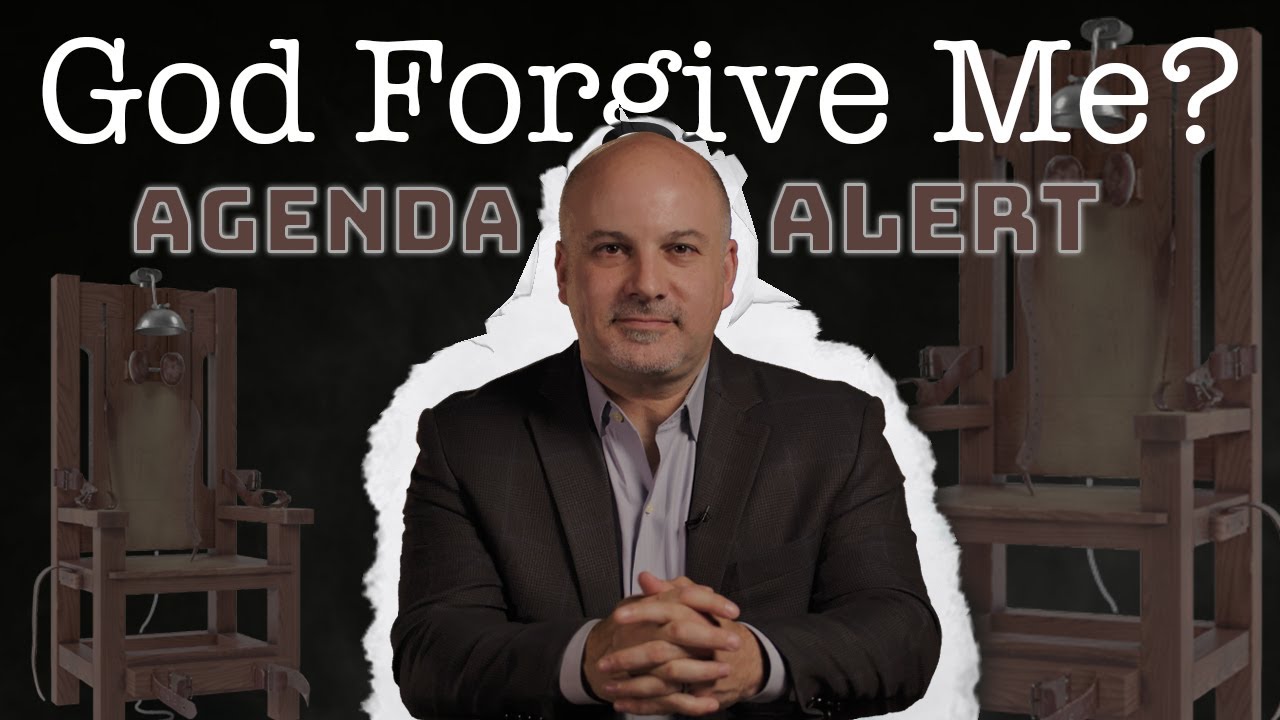 10-Part Series
10-Part Series
God, Forgive Me? — Complete 10-Part Series
Watch all ten full CrossTalk episodes based on Dr. Randy Weiss’s book in order.Open on YouTube ↗Frequently asked questions
Clear answers without a wall of text.
Open the questions that matter most to you, from the Jewish High Holy Days to sacrifice, the Temple, and atonement.
Buy the BookThe term usually refers to Rosh Hashanah and Yom Kippur, together with the ten Days of Awe between them. This is a season of reflection, repentance, reconciliation, prayer, and judgment in Jewish tradition.
The phrase means “head of the year.” The book also emphasizes the biblical language of Yom Teruah, the day of sounding the horn, and explores how later Rosh Hashanah practice developed.
The shofar calls people to attention, repentance, and remembrance. In the book it also points to the binding of Isaac, the ram God provided, resurrection, and the future coming of Messiah.
Yom Kippur is the Day of Atonement. It is observed as a solemn day of fasting, prayer, confession, repentance, and seeking reconciliation with both God and other people.
The book’s answer is no. Dr. Weiss respects fasting and repentance but explains that the Hebrew Scriptures connect atonement to a sacrifice prescribed by God, not to hunger alone.
Biblical sacrifice includes several kinds of offerings. Many atoning offerings involved an unblemished animal, a priest, blood, and an altar. The book also discusses grain offerings and why not every sacrifice served the same purpose.
No. The book addresses grain offerings and offerings used for thanksgiving or worship. Its message is that sacrifices for guilt and atonement normally required the death of an acceptable substitute, with limited exceptions described in Leviticus.
Atonement describes the removal of guilt and the restoration of relationship with God. The book presents it as the means by which the guilt-and-punishment chain created by sin is broken.
The Temple housed the altar and the priestly system required for many sacrifices. Its destruction in 70 CE ended that centralized sacrificial practice and forced Judaism to develop new ways of observing atonement.
Leviticus 16 describes two goats: one sacrificed as a sin offering and one sent away after the sins of the people were confessed over it. The second goat is commonly associated with Azazel and the origin of the term “scapegoat.”
It begins with shared Scripture, history, festivals, belief in judgment, resurrection, and Messiah. It then focuses on the major disagreement: how atonement is secured after the Temple and whether Jesus is the promised final sacrifice.
Dr. Weiss says the primary audience is non-Jewish Christian readers who need a stronger understanding of Jewish history and the Jewish roots of their faith. He also invites Jewish readers and critics to check his sources and evaluate his conclusions.
He concludes that forgiveness is available, but that God determines the means of atonement. His Christian conclusion is that Jesus, the Jewish Messiah, fulfills the requirement of the perfect, unblemished, substitutionary sacrifice.
Read beyond the summary
The page introduces the question. The book takes you deeper.
Follow the full research through Rosh Hashanah, Yom Kippur, the Temple, sacrifice, rabbinic tradition, and Dr. Weiss’s conclusion about Jesus as Messiah.