
Randy Weiss, Ph.D. • A study of giving, stewardship, and the earliest Christians
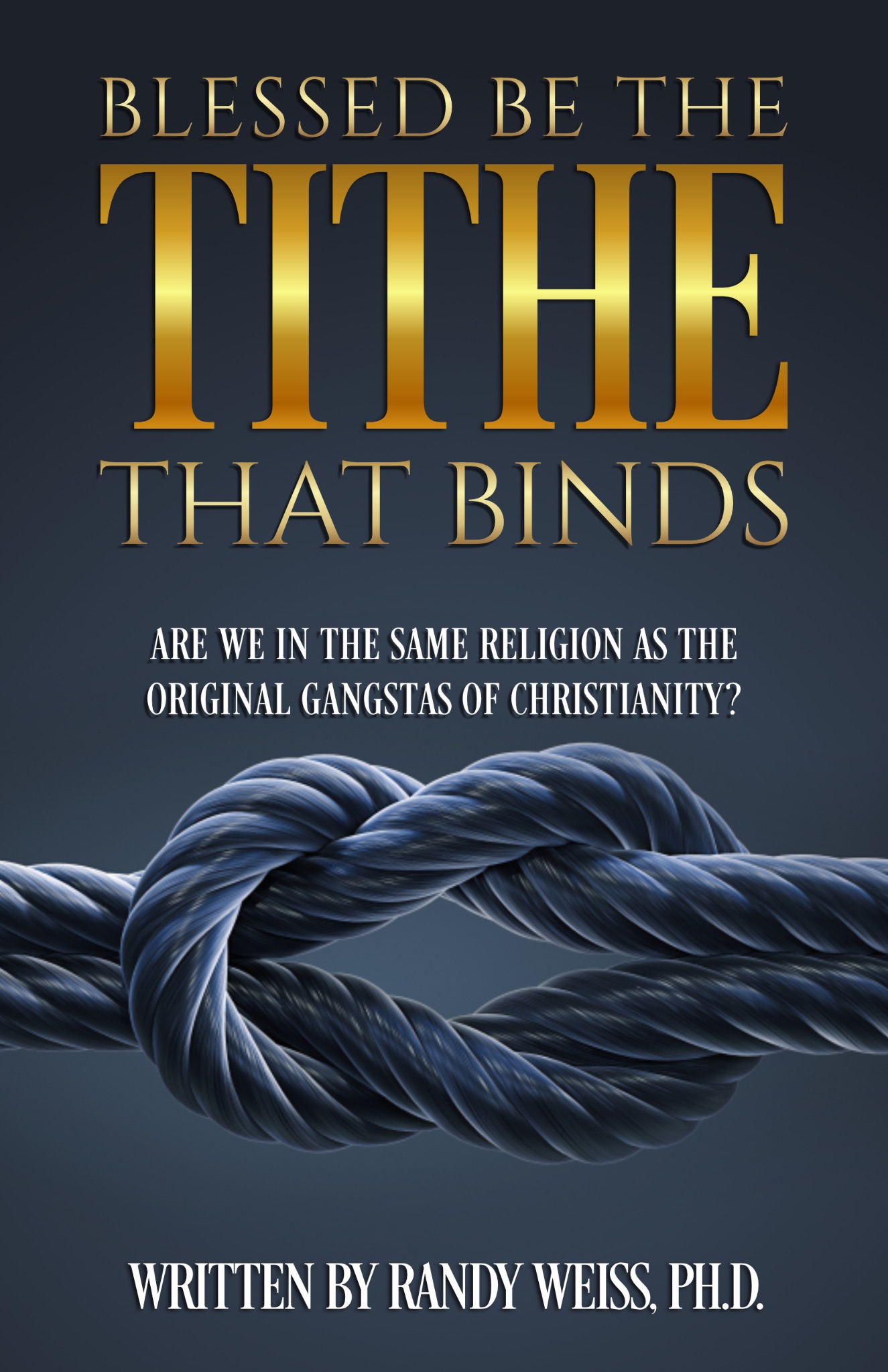
Blessed Be the Tithe That Binds
Are We in the Same Religion as the Original Gangstas of Christianity?
This book asks a harder question: Who owns our stuff, and what does faithful stewardship look like when modern Christianity is compared with the earliest followers of Jesus?
Biblical stewardship • early Church history • generosity • discernment
 READ THE FULL STUDY
The premise
This is not a book asking you to give more money.
The question is not only, “How much should I give?” It is, “What has God entrusted to me, and what does He want me to do with it?”

Untying the knot
Five questions the book forces into the open.
The page stays simple. The book does the deep work—through Scripture, the Didache, Church history, personal stories, and a direct look at the way Christians handle money and possessions.
01 • The percentage
Is ten percent really the point?
The book challenges the idea that Christian faithfulness can be reduced to hitting a number. Its argument moves from compulsory tithing toward a wider call to thoughtful, obedient stewardship.
02 • The OG Christians
What did the earliest followers of Jesus actually do?
Randy looks beyond modern church habits to the first generations of believers—people known for costly generosity, care for the poor, discernment about leaders, and a willingness to sacrifice.
03 • The stuff
Do we own our possessions, or steward them?
Homes, savings, income, influence, time, and ordinary “stuff” become part of the same question: if everything ultimately comes from God, what does faithful management require?
04 • The manipulation
How do we tell faithful giving from financial pressure?
The book is sharply critical of fundraising that uses fear, guilt, promises of guaranteed financial return, or spiritual authority to manipulate people. It also repeatedly honors godly pastors and worthy ministries.
05 • The freedom
What would joyful generosity look like?
The destination is not stinginess. It is freedom: giving willingly, caring for people in need, supporting faithful servants, and treating what we have as something entrusted rather than possessed absolutely.
The subtitle asks it plainly
Are we in the same religion as the original gangstas of Christianity?
The book uses the contrast to make readers examine themselves—not just other churches or other Christians.
The heart of the argument
Tithing is secondary. Stewardship is primary.
The book is not anti-giving. It argues for giving that is generous, cheerful, honest, discerning, and free from manipulation—while taking seriously the poor, faithful ministry leaders, and the responsibility attached to abundance.
Give freely
Generosity should flow from obedience and love, not from pressure or a promise that God owes us a financial return.
Care for people
The earliest Christians were recognized for practical care that reached beyond their own gatherings and into the needs around them.
Use discernment
The book calls believers to support worthy servants while refusing to reward manipulation, greed, or spiritual theatrics.
Go beyond the page
Watch the sermon now. The full programs are coming soon.
A connected sermon is already available. Add its link below in the WordPress backend. The related CrossTalk programs are still in production and are clearly marked as coming soon.
 AVAILABLE NOW
CrossTalk Program
Blessed Be the Tithe That Binds — Part One
A television teaching built around the book’s central questions about tithing, stewardship, and the earliest Christians.
FULL PROGRAM COMING SOONCrossTalk Program
Blessed Be the Tithe That Binds — Part Two
The conversation continues with giving, church leadership, generosity, possessions, and what faithful stewardship looks like in practice.
FULL PROGRAM COMING SOONNo. Randy’s argument is that tithing is not a command that defines Christian faithfulness today. He repeatedly affirms generosity and argues that stewardship is the larger issue.
No. The book is critical of manipulation and greed, but it repeatedly praises faithful pastors, defends appropriate support for ministry leaders, and encourages believers to honor worthy servants.
Yes. It spends significant time with the Didache, early Christian writers, martyr-era believers, later Church history, and the way those sources inform questions about money, possessions, leadership, and discipleship.
No. Money is the doorway into larger questions about obedience, possessions, discipleship, generosity, influence, responsibility, and whether modern Christians resemble the earliest followers of Jesus.
The page gives you the question
The book makes you wrestle with the answer.
Follow Randy Weiss through Scripture, early Christian writings, Church history, hard questions, humor, and personal stories as he rethinks the tithe and the responsibility of stewardship.